

 新聞中心

 服務熱線電話
400-6188-756
 公司動態

空化不是“震得越響越干凈”
來源:http://www.sflrw.com/ 時間: 2026-10-17 瀏覽次數: 0
超聲波清洗的核心不是水泡翻騰,而是「空化效應」:換能器把電轉成高頻機械振動,液體里長出微氣泡、再瞬間潰滅,把縫隙里的切削液、拋光膏、助焊劑“炸”下來。頻率、功率密度、槽數,是三個非常容易被銷售帶偏的參數。
The core of ultrasonic cleaning is not the rolling of bubbles, but the "cavitation effect": the transducer converts electricity into high-frequency mechanical vibration, causing microbubbles to grow in the liquid and then instantly collapse, "blasting" the cutting fluid, polishing paste, and flux in the gaps. Frequency, power density, and number of slots are the three most easily biased parameters in sales.
一、頻率:低頻去垢,高頻護精密
1、 Frequency: Low frequency descaling, high frequency precision protection
20–28kHz:氣泡大、沖擊猛,鑄件除砂、重油污、模具積碳用,但別碰鏡片和鍍層;
20-28kHz: Large bubbles, strong impact, used for casting sand removal, heavy oil stains, and mold carbon deposition, but do not touch lenses and coatings;
40kHz:工業萬能檔,軸承、五金、實驗室器皿的平衡點;
40kHz: Industrial universal gear, balance point for bearings, hardware, and laboratory utensils;
68–80kHz:光學鏡片、PCB、精密噴嘴,氣泡細密不傷面;
68-80kHz: Optical lenses PCB、 Precision nozzle with fine and non damaging bubbles;
120kHz+:半導體/醫療精密件,走兆聲邏輯,不是“越強越好”。
120kHz+: Semiconductor/medical precision components, using megahertz logic, not 'the stronger the better'.
帶盲孔、深槽的工件,頻率太低氣泡進不去,優先 40kHz 以上或雙頻切換。
For workpieces with blind holes and deep grooves, if the frequency is too low and bubbles cannot enter, priority should be given to switching to 40kHz or above or dual frequency.
二、功率密度比“總功率”誠實
2、 Power density is more honest than 'total power'
看 W/L,不看機器貼的“3000W”。通用清洗 25–35W/L,重油污 50–80W/L;密度再往上堆,空化變噪聲,鋁件、鍍層件反而被“打麻臉”。大槽體還要校換能器排布,底部單排容易聲場不均,配拋動或旋轉籃更穩。
Look at W/L, not the "3000W" label on the machine. General cleaning 25-35W/L, heavy oil pollution 50-80W/L; As the density increases, cavitation becomes noise, and aluminum and coated parts are actually "pockmarked". The arrangement of transducers in the large tank also needs to be calibrated. A single row at the bottom is prone to uneven sound field, and it is more stable to use a throwing or rotating basket.
三、槽數跟著工序走,不跟著“越多越出色”走
3、 The number of slots follows the process, not the principle of 'more, higher'
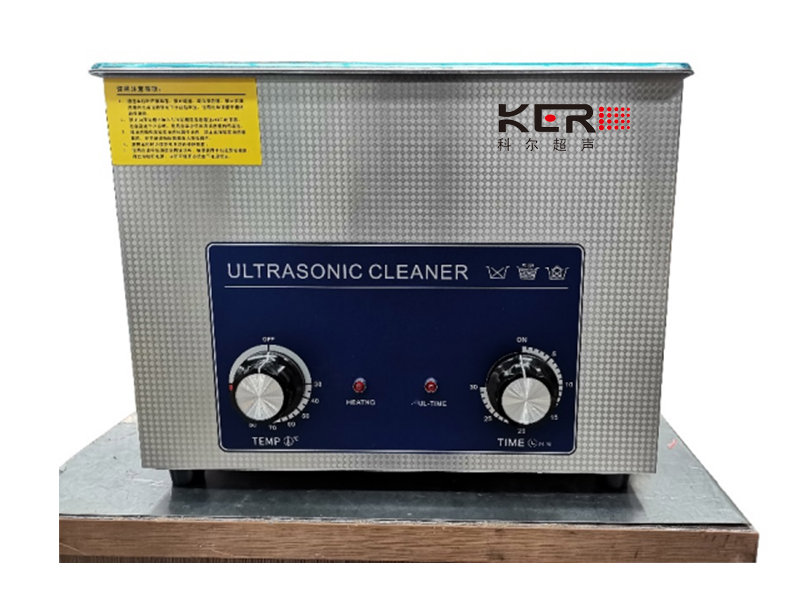
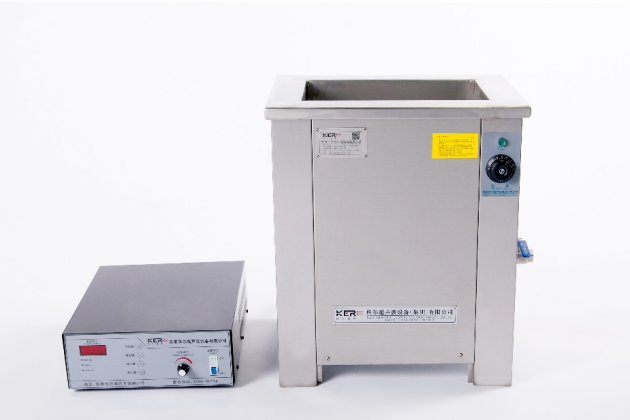
單槽:小批量除油、返修件;
Single slot: small batch degreasing and repair parts;
雙槽:粗洗+漂洗,解決二次污染;
Double tank: rough washing+rinsing, solves secondary pollution;
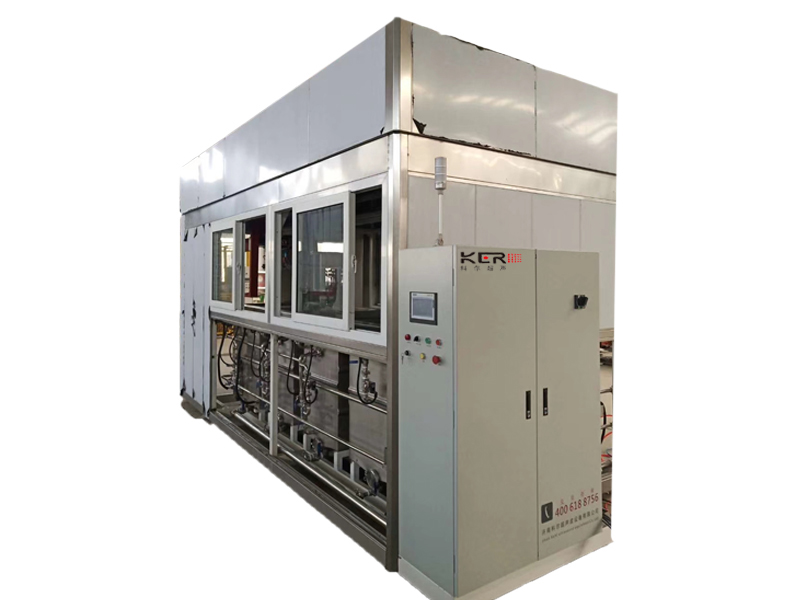
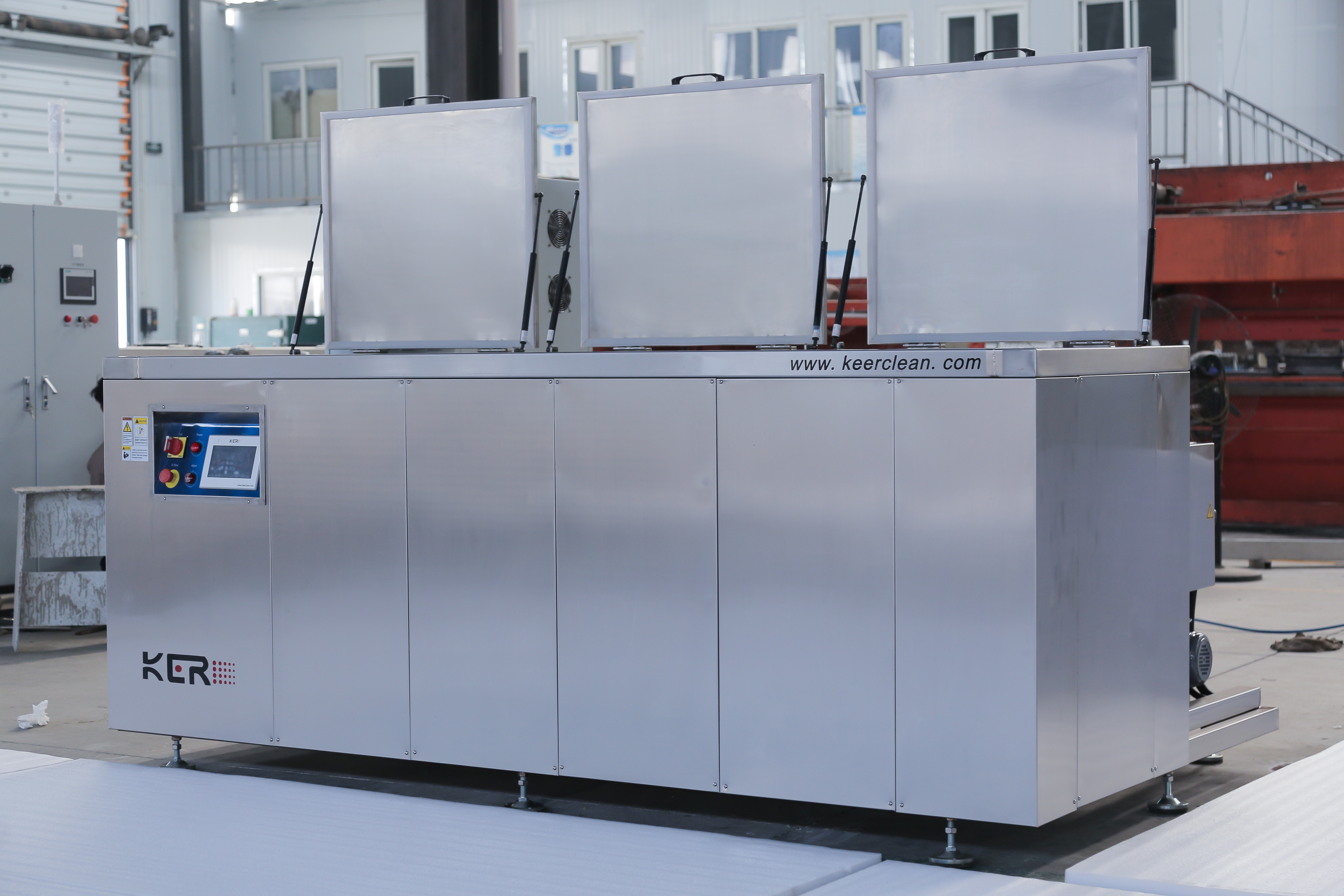
三槽及以上:清洗→多級溢流漂洗→風切/烘干,批量精密件、光學件、需純水收尾的產線才值當;
Three or more slots: cleaning → multi-stage overflow rinsing → air cutting/drying, only suitable for batch precision parts, optical parts, and production lines that require pure water finishing;
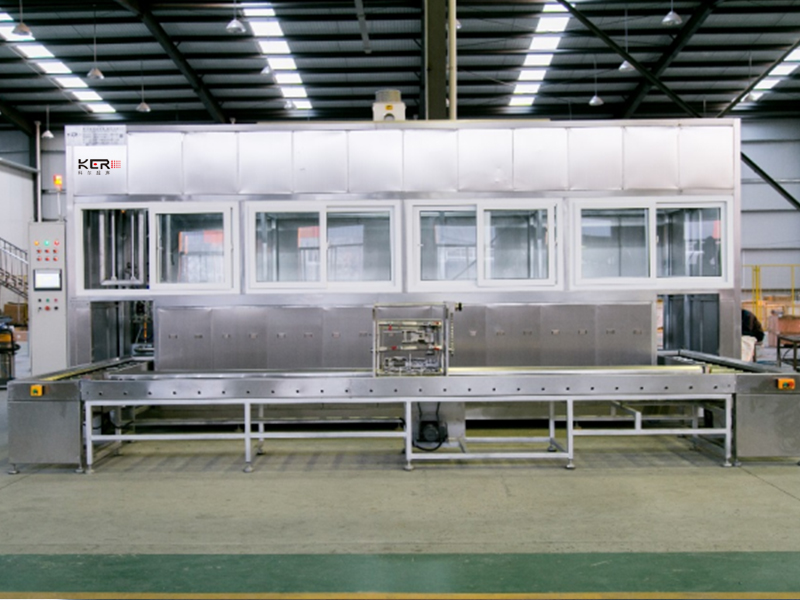
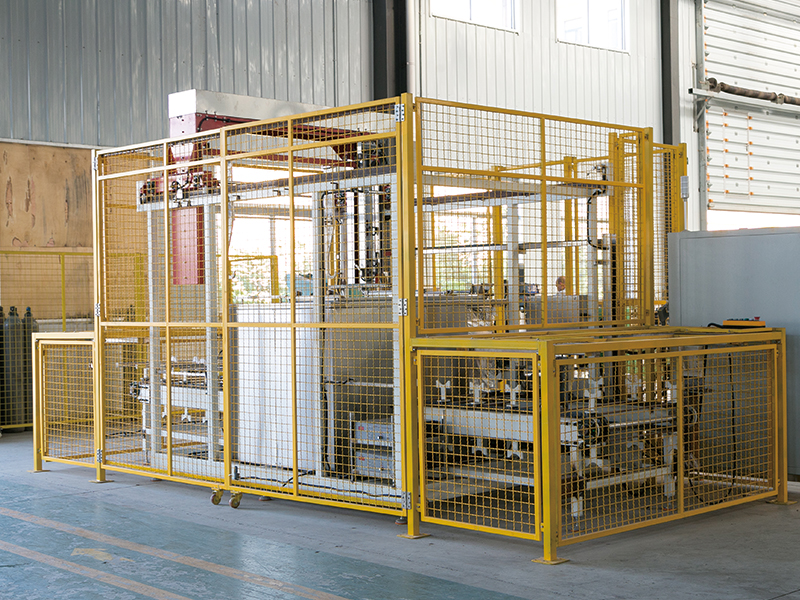
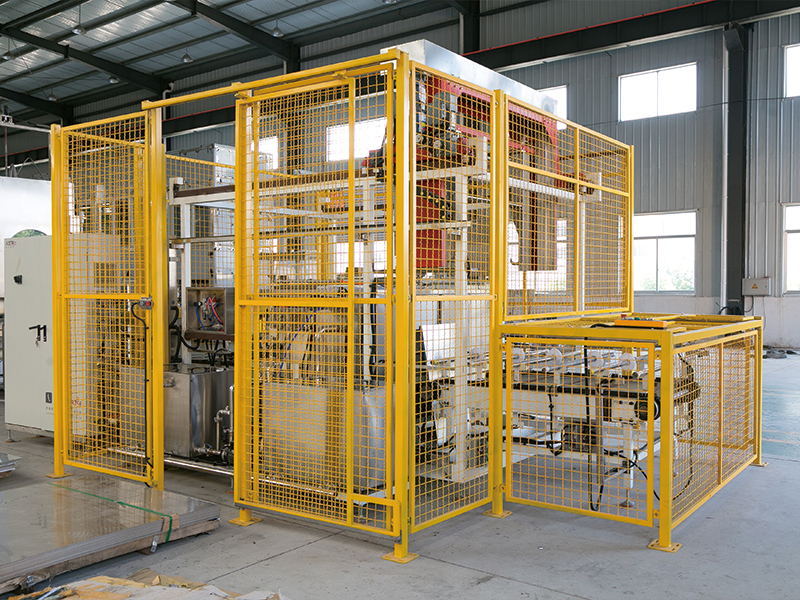
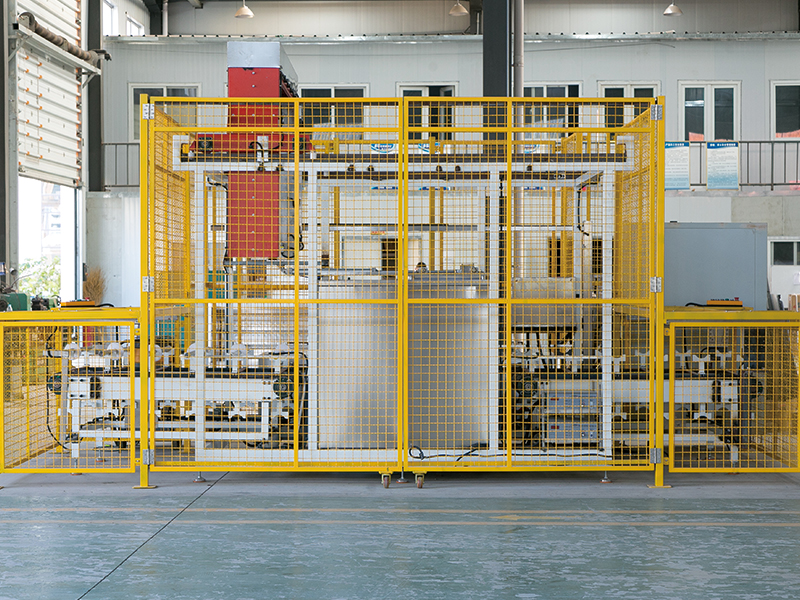
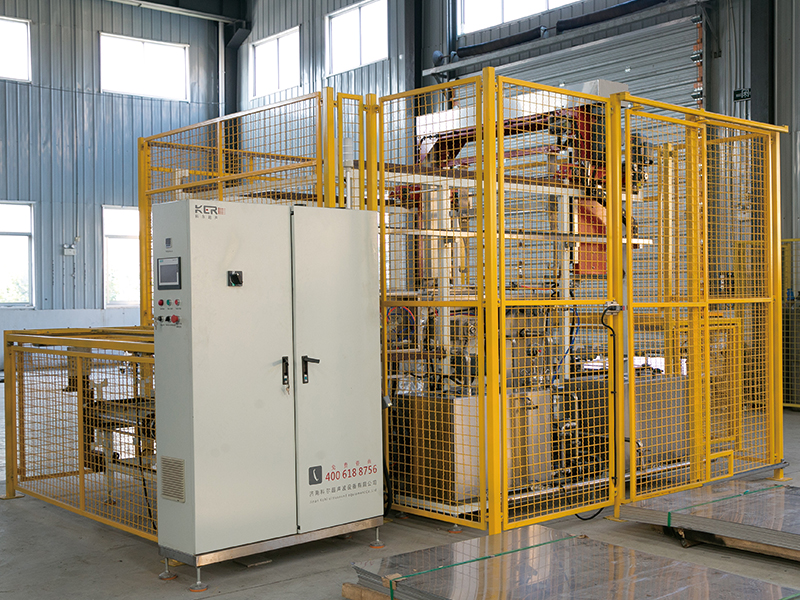
全自動多槽(機械臂/行吊):對接節拍生產,核心價值是“每籃潔凈度一致”,不是省一個人力。
Fully automatic multi slot (robotic arm/overhead crane): Matched with rhythm production, the core value is "consistent cleanliness per basket", not saving manpower.
四、兩個出廠就被忽略的開關
4、 Two switches that were overlooked at the factory
新液先脫氣 5–10 分鐘(溶解氣體吸聲,初期洗不勻);液位高于換能器面 50–100mm、不超槽容 80%。循環過濾沒配,雜質漂著重新粘回工件,槽液半個月就廢。
Degassing the new liquid for 5-10 minutes (dissolved gas absorbs sound, initial washing is not uniform); The liquid level should be 50-100mm above the transducer surface and not exceed 80% of the tank capacity. The circulating filtration is not matched, and impurities float back to the workpiece, causing the tank solution to waste in half a month.
選型順序永遠是:工件材質 → 污垢類型 → 有沒有盲孔 → 節拍和潔凈度標準 → 才輪到頻率/槽數/品牌。拿著樣件去廠家跑一次鋁箔穿孔+實件清洗,比看十頁彩頁靠譜。
The selection order is always: workpiece material → dirt type → presence of blind holes → rhythm and cleanliness standards → frequency/groove number/brand. Taking the sample to the manufacturer for a perforated aluminum foil and actual cleaning is more reliable than looking at ten colored pages.


 魯公網安備37011202000628號